Sell a House With Code Violations in Florida — Cash, As-Is
Open permits, unpermitted work, daily fines, or a recorded code-enforcement lien? Anywhere in Florida, we buy as-is and deal with the city ourselves. You don’t fix anything, and you don’t pay the fines up front.
- We handle the violations — liens, permits, hearings, all of it
- No repairs, no compliance — we take it exactly as it stands
- Cash beats the financing trap — close in as little as 7–14 days
Fines piling up? Call or text (305) 676-9384
Get a No-Obligation Cash Offer in 24 Hours
Watch: How We Help Florida Homeowners
See how simple selling your house for cash can be — straight from our team.
Why a Code Violation Makes a House So Hard to Sell
Here’s the trap most Florida homeowners hit: a mortgage lender generally won’t fund a loan on a home with open code violations, open permits, or recorded liens. Since the large majority of retail buyers need financing, a single unresolved violation can knock out the overwhelming majority of your buyer pool before you get a serious offer. You list, you accept an offer, you reach the title search — and that’s where the deal dies, when the buyer’s title company flags the lien or the municipality flags the violation.
Meanwhile the fines don’t wait. Across Florida, many jurisdictions run daily penalties in the range of $100 to $250 for an unresolved violation. Left alone, a modest citation can compound into a five-figure lien over a couple of years. That’s the real cost of waiting — and exactly why cash is the clean way out. We don’t need a bank’s approval, so the financing trap simply doesn’t apply.
How Code Enforcement Actually Works in Florida
Statewide, the procedure is governed by Chapter 162 of the Florida Statutes — the framework for code-enforcement boards, special magistrates, and administrative fines. But the substance is local: every city and county writes its own zoning, lot-maintenance, and accessory-structure rules. That’s why a fence that’s fine in one Florida municipality gets cited in the next. When you sell to us, we work in the actual ordinance for your specific jurisdiction — we don’t assume.
Once fines are certified and recorded under §162.09, they become a lien that attaches to the property and runs with the land — meaning it follows the house, not just the owner, and generally must be satisfied before clean title can transfer. Most of this surfaces during closing through a municipal lien search, a title-company-ordered search that catches recorded liens, open enforcement cases, and often open permits. We’re not attorneys, and large or contested liens deserve a real estate attorney’s eyes — but the practical point is simple: these are problems we’re set up to absorb, not problems you have to solve first.
Violations We Buy Around — All of Them
From overgrown-lot citations to red-tagged structures, we’ve closed on every flavor of code issue Florida cities cite.
Unpermitted Work
Enclosed carport, added bedroom, converted garage, deck, or electrical work done without a permit. We retroactively permit or remediate after closing — not your problem.
Open Permits
A permit pulled but never closed with a final inspection — sometimes left by a prior owner years ago. Lenders won’t fund against it; we close it out ourselves.
Recorded Liens
Accrued fines already recorded as a lien under Chapter 162. We coordinate the payoff with the city at the closing table — you see the math before you sign.
Lot & Maintenance
Overgrown vegetation, debris, junk or unregistered vehicles, peeling paint, broken windows. The everyday citations that pile up on a vacant or inherited property.
Unsafe Structure / Red Tag
The most serious category — an unsafe-structure order or demolition notice. A red tag doesn’t scare us; we take these on and handle remediation.
Stacked Liens
Code fines plus unpaid water, trash, or stormwater liens, or a contractor lien on top. We’re used to sorting multiple liens out at the title table.
A Worked Example — How the Lien Math Plays Out
Illustrative only — every property and jurisdiction differs. But this is the shape of the deal.
| As-is market value (compliant) | $300,000 |
| Less: accrued code-enforcement lien | –$45,000 |
| Less: repairs / retroactive permitting | –$25,000 |
| Less: risk & carrying costs we absorb | –$15,000 |
| Your cash offer (approx.) | ~$215,000 |
Sell Honestly — Disclosure Protects You
One thing we won’t cut a corner on: disclosure. Under Florida’s Johnson v. Davis rule, sellers must disclose known material defects that aren’t readily observable — and unpermitted work hidden behind a wall is exactly the kind of thing that creates real liability in a traditional sale. Selling to us as-is, with full disclosure, actually protects you: we take the property knowing the issues, so there’s no angry buyer coming back after closing claiming you hid something. Honesty isn’t just the right thing here — it’s your legal shield.
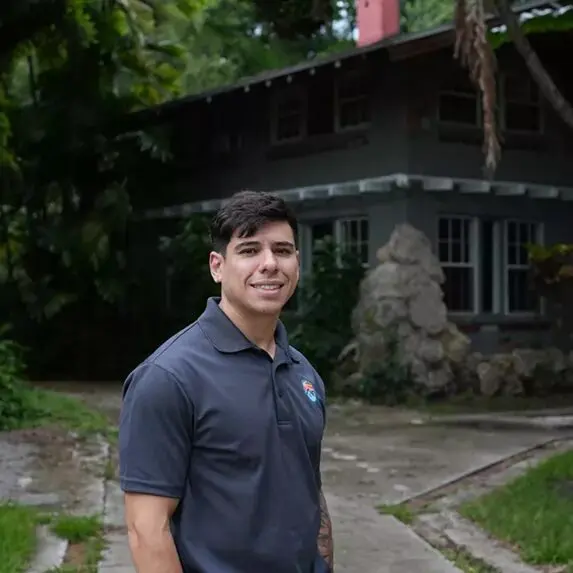
Meet David — He Deals With the City So You Don’t
Hi, I’m David, founder of Sunshine State Buyers. Code cases are stressful — the letters, the daily fines, the feeling the house is unsellable. It isn’t. I’ve closed on properties with everything from overgrown-lot fines to demolition orders, and I handle the city, the lien payoff, and the permitting after closing so you can just be done.
My promise is simple: a fair offer, with the lien and repair math shown plainly — and if the violation is minor enough that fixing it and listing would net you more, I’ll tell you that instead of buying. Sometimes cutting the grass and closing a permit is the better move. I’ll give you the honest read.
As Featured In
“I try to be honest with people and tell them if there might be better routes to sell their house.”
— David Veras, featured in Miami New Times
How It Works — Simple as 1-2-3
1
Tell Us About It
Share the property and whatever you know about the violations. Don’t have all the paperwork? We do the code and title research ourselves.
2
Get a Transparent Offer
A fair, no-obligation cash offer within 24 hours that shows how the liens and repairs factor in — no hidden mystery math.
3
We Close & Handle the City
We close in as little as 7–14 days, pay off recorded liens at closing, and deal with permits and hearings after. You walk away clean.
We Buy Code-Violation Homes Across Florida
Because code enforcement is local, we work in the actual ordinance for your city or county — statewide. Our home base is South Florida, where we know the municipalities and magistrates best; if your property is in Miami-Dade, start with our Miami code-violations page for local detail. Anywhere else in Florida, just reach out.
Code Violation FAQs
Do I have to fix the violations before selling to you?
No. That’s the whole point. We buy as-is and take on the repairs, permitting, and compliance ourselves after closing. You don’t spend a dollar bringing the house up to code or attend a single hearing.
Who pays the accrued fines and the lien?
Recorded liens are typically paid off at closing from the sale proceeds — you’ll see that on the closing statement before you sign, factored into your offer. Where a lien can be reduced at a city mitigation hearing, we often pursue that after we own the property, and we absorb that risk rather than passing it to you.
The violation is from a previous owner. Am I still on the hook?
Because the lien attaches to the property, it generally has to be cleared for title to transfer regardless of who caused it — and the person cited can stay exposed until the case is actually closed. Selling to a buyer who resolves the case is what gets you off the file. Disputed prior-owner liens are worth an attorney’s review, and we can work alongside one.
What about unpermitted work I’m not even sure about?
Very common — a prior owner enclosed a porch or swapped a panel and no one pulled a permit. We buy it as-is and either retroactively permit or remediate after closing. Just disclose what you know; we handle the rest and take that uncertainty off your plate.
Should I just fix it and sell traditionally instead?
Sometimes, yes — and we’ll tell you so. If it’s an overgrown lot or a single easy permit to close, fixing it and listing may net you more. Where it makes sense to just cure it, that’s the advice you’ll get from us. Cash as-is shines when the violations are serious, expensive, or already a large recorded lien.
Stop the Fines. Get a Clean Offer.
Every day a violation sits open, the fines can climb. Get a fair, no-obligation cash offer in 24 hours — with the lien and repair math shown plainly, and an honest word on whether selling or fixing serves you better.
